
Wound care
Professional treatment and management of cuts, injuries, and complex wounds.
Our Services
- General Practice
- Family Health
- Telehealth Appointments
- Children Health
- Men’s Health
- Women’s Health
- Vaccines & Immunisations
- Health Checks
- Travel Medicine
- Weight Loss Consultations
- Chronic Disease Management
- Mental Health
- Sports Medicine
- WorkCover / Work Injury Consultations
- Wound Care
- Aboriginal and Torres Strait Islander Health
- Pathology
- Geriatrician services
Wound Care
Supporting Safe Healing and Recovery
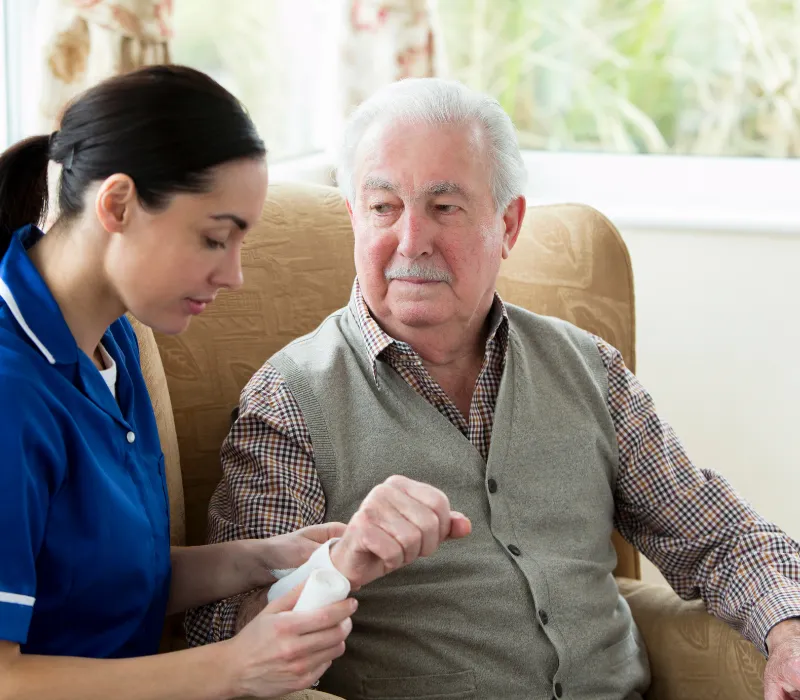
Looking after a wound properly is one of the most important steps in preventing infection and helping the body heal. Whether it is a small cut, a surgical incision, or a chronic wound, the right wound care approach can improve recovery and reduce complications. Many wounds heal with basic first aid, while others require ongoing monitoring and treatment. Early assessment can help identify problems before they become serious and ensure appropriate care is provided. Good wound management includes cleaning the wound, protecting it with suitable dressings, monitoring for signs of infection, and supporting the body’s natural healing process. Every wound is different, so treatment should be based on the type, size, location, and overall health of the person. Understanding how wounds heal and knowing when to seek medical attention can help improve outcomes and reduce the risk of long-term complications.
Understanding Wound Care
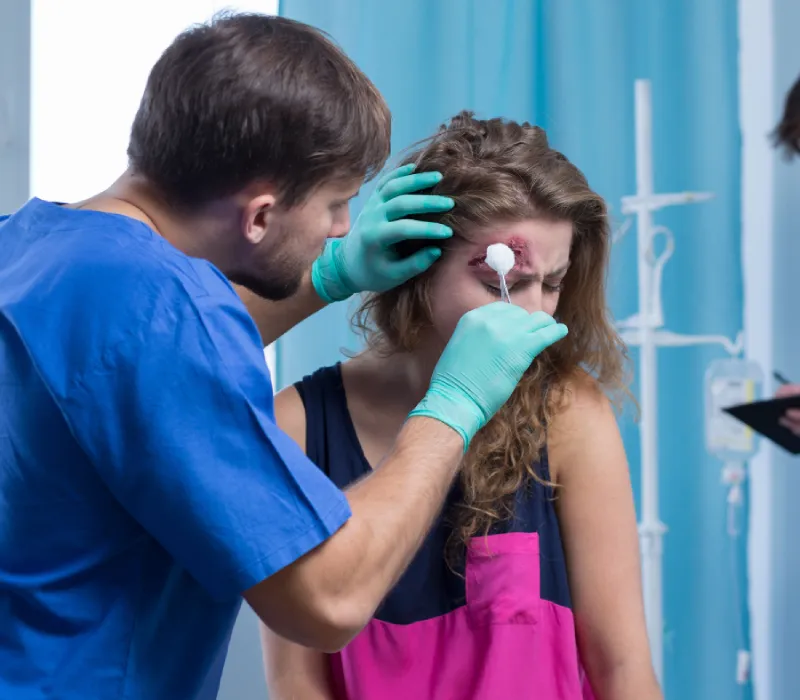
Wound care involves assessing, cleaning, treating, and monitoring wounds to promote healing while reducing the risk of infection. It includes care for both acute injuries and chronic wounds that take longer to heal.
Proper wound treatment focuses on creating the best possible environment for healing. This may involve dressing changes, infection prevention, and regular reviews to monitor progress.
Types of Wounds
- Cuts and lacerations
- Grazes and abrasions
- Minor burns
- Surgical incisions
- Puncture wounds
Our Wound Care Services
Our wound care services focus on promoting safe healing through thorough assessment, appropriate treatment, and ongoing support.
Wound Assessment
Every wound is carefully assessed to determine the most appropriate treatment plan.
- Assessing wound size and depth
- Identifying infection risks
- Reviewing medical history
- Monitoring healing progress
- Creating an individual care plan
Wound Cleaning and Dressing Changes
Proper cleaning and dressing selection support healthy healing and reduce infection risk.
- Gentle wound cleansing
- Sterile dressing application
- Regular dressing replacement
- Moisture balance management
- Skin protection around the wound
Chronic Wound Management
Long-term wounds require ongoing care and regular monitoring.
- Diabetic wound care
- Pressure injury management
- Leg ulcer care
- Regular wound reviews
- Healing progress documentation
Post-Surgical Wound Care
Surgical wounds benefit from careful monitoring during recovery.
- Incision assessment
- Dressing changes
- Infection monitoring
- Suture or staple checks
- Recovery support advice
Infection Prevention and Education
Learning how to care for a wound at home can improve healing between appointments.
- Home wound care guidance
- Hygiene education
- Dressing care instructions
- Warning signs to monitor
- Follow-up recommendations
Frequently Asked Questions
What is wound care?
Wound care is the assessment, cleaning, treatment, and ongoing management of wounds to promote healing and reduce the risk of infection. It includes care for cuts, burns, surgical wounds, ulcers, and other skin injuries.
When should I seek medical care for a wound?
You should seek medical attention if your wound is deep, continues to bleed, shows signs of infection, is caused by an animal or human bite, or is not healing as expected. People with diabetes or poor circulation should have wounds assessed early.
How often should wound dressings be changed?
The frequency of dressing changes depends on the type of wound, the amount of drainage, and the dressing used. A healthcare professional can recommend the most appropriate schedule for your wound.
What are the signs of a wound infection?
Common signs include increasing redness, swelling, warmth around the wound, pus or unusual discharge, worsening pain, and fever. If you notice these symptoms, seek medical advice promptly.
How can I help my wound heal faster?
Keep the wound clean and protected, follow dressing instructions, eat a balanced diet, stay hydrated, avoid smoking, and attend follow-up appointments if recommended. Proper wound care and early treatment support healthy healing.