
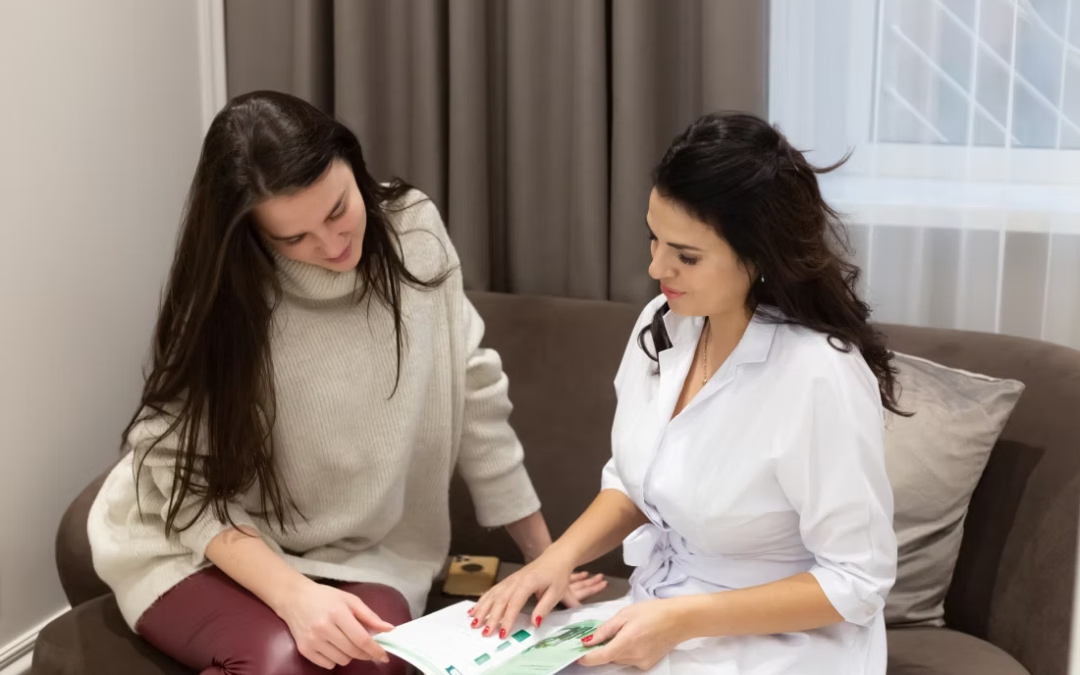
Menopause is a natural stage of life, but the transition can bring physical and emotional changes that affect sleep, work, relationships and everyday wellbeing. Some women experience only mild symptoms, while others may find that symptoms significantly affect their quality of life.
If you are searching for a menopause doctor in Canberra, a GP can provide an appropriate starting point for discussing your symptoms, health history and treatment options.
Woden Medical Centre provides women’s health services that can support women through different stages of life, including menopause-related healthcare.
What Is Menopause?
Menopause is the stage of life when menstrual periods permanently stop because of changes in ovarian function. The transition leading up to menopause is commonly called perimenopause.
The timing and symptoms can vary from woman to woman.
Common Menopause Symptoms
Some women may experience:
- Hot flushes
- Night sweats
- Sleep difficulties
- Mood changes
- Changes in menstrual patterns
- Vaginal dryness
- Reduced energy
- Difficulty concentrating
- Changes in sexual wellbeing
Not every symptom is necessarily caused by menopause, which is why discussing persistent or concerning changes with a doctor can be useful.
When Should You See a Menopause Doctor?
Consider booking an appointment if menopause symptoms are affecting your everyday life or you are unsure about changes in your health.
A GP can discuss:
- Your symptoms
- Menstrual history
- Medical history
- Current medications
- Family history
- Lifestyle factors
- Treatment preferences
Your doctor can then explain possible causes and discuss appropriate options.
How Can a Women’s Health Doctor Help?
A women’s health doctor can provide healthcare for concerns affecting women at different stages of life.
During a menopause consultation, your GP may assess symptoms and consider your overall health rather than focusing on one symptom.
Understanding Your Symptoms
Menopause symptoms can overlap with other health concerns. For example, tiredness, sleep problems or mood changes may have multiple possible causes.
A medical assessment can help determine whether symptoms are consistent with menopause or whether further investigation is appropriate.
Menopause Treatment Options
There is no single treatment that is right for every woman.
Depending on your symptoms and health history, your doctor may discuss:
- Lifestyle changes
- Non-hormonal approaches
- Menopausal hormone therapy
- Symptom-specific treatment
- Preventive healthcare
- Referral to another healthcare professional
Healthdirect notes that menopausal hormone therapy can be used to manage symptoms such as hot flushes and night sweats, but its benefits and risks need to be considered for each individual.
Menopausal Hormone Therapy
Menopausal hormone therapy, sometimes called hormone replacement therapy, may be suitable for some women experiencing bothersome menopause symptoms.
Treatment can involve different forms, including tablets, patches or creams, depending on the medication and the symptoms being treated.
However, hormone therapy is not appropriate for everyone. Your GP can discuss your medical history, potential benefits and possible risks before recommending treatment.
Lifestyle Support During Menopause
Medical treatment is only one part of managing menopause.
Depending on your circumstances, your GP may discuss:
- Regular physical activity
- Healthy nutrition
- Maintaining a healthy weight
- Sleep habits
- Stress management
- Reducing smoking
- Limiting alcohol
- Bone and cardiovascular health
Small changes may help some women manage symptoms and maintain general wellbeing.
Why Choose a Women’s Doctor for Menopause Care?
Some women prefer discussing menopause with a women’s doctor who regularly provides women’s healthcare.
When choosing a GP, consider whether the practice offers:
- Women’s health consultations
- Menopause support
- Preventive health checks
- Ongoing GP care
- Treatment discussions
- Referral pathways
- Convenient appointments
The ability to continue care with a familiar doctor can also be useful because menopause management may involve follow-up appointments.
Women Doctors and Patient Comfort
Some patients specifically prefer women doctors for sensitive healthcare discussions. This can be a personal preference, particularly when discussing menstrual changes, sexual health or menopause symptoms.
The most important consideration is finding a qualified healthcare professional with whom you feel comfortable discussing your health.
Menopause and Preventive Women’s Healthcare
Menopause care should not exist in isolation from the rest of a woman’s healthcare.
A GP may also discuss age-appropriate preventive care, cardiovascular health, bone health, mental wellbeing and other medical concerns.
This broader approach can help women address both current symptoms and longer-term health needs.
When Should You Seek Medical Advice?
You should consider talking with a GP if symptoms are persistent, unusual or affecting your quality of life.
You may also want an appointment if:
- Your periods have changed significantly
- You experience frequent hot flushes or night sweats
- Sleep problems are persistent
- Mood changes are affecting daily activities
- Vaginal symptoms are uncomfortable
- You want to discuss menopause treatment
- You have concerns about hormone therapy
Any unexpected or concerning bleeding should also be discussed with a healthcare professional.
Menopause Care at Woden Medical Centre
Woden Medical Centre provides women’s health services as part of its broader general practice offering. Women can discuss menopause symptoms, preventive healthcare and other women’s health concerns with a GP.
Because every patient has different health needs, treatment decisions should be based on an individual assessment rather than a standard menopause treatment plan.
Frequently Asked Questions
What does a menopause doctor do?
A menopause doctor can assess symptoms, consider other possible causes, discuss treatment options and provide ongoing healthcare during the menopause transition.
Can a women’s health doctor help with menopause?
Yes. A GP providing women’s health care can assess menopause symptoms and discuss appropriate management options, including lifestyle measures and medical treatments where suitable.
Is hormone therapy suitable for every woman?
No. Menopausal hormone therapy has potential benefits and risks, and suitability depends on factors such as medical history and individual circumstances. Discuss these with your doctor. (healthdirect.gov.au)
Should I choose women doctors for menopause care?
Choosing a female GP is a personal preference. Some patients feel more comfortable discussing sensitive women’s health concerns with a female doctor, while others may prefer a particular doctor’s experience or communication style.
When should I see a doctor about menopause symptoms?
Consider seeing a GP when symptoms are affecting your sleep, mood, work, relationships or everyday life, or when you want to understand your treatment options.
Get Support for Your Menopause Health
Menopause can involve several physical and emotional changes, but you do not have to manage persistent symptoms without professional guidance.
A menopause doctor can help assess your symptoms, discuss treatment options and provide ongoing women’s healthcare based on your individual circumstances.
If you are looking for women’s healthcare in Canberra, Woden Medical Centre provides women’s health services as part of its broader general practice care.
For a wider overview of healthcare for different family members, read our Family Health Services in Canberra: A Complete Guide for Families.
You can also explore other related healthcare topics, including mental health, chronic disease management and diabetes care.
📍 Woden Valley, ACT, Australia
📧 info@wodenmedicalcentre.com.au
🔗 contact